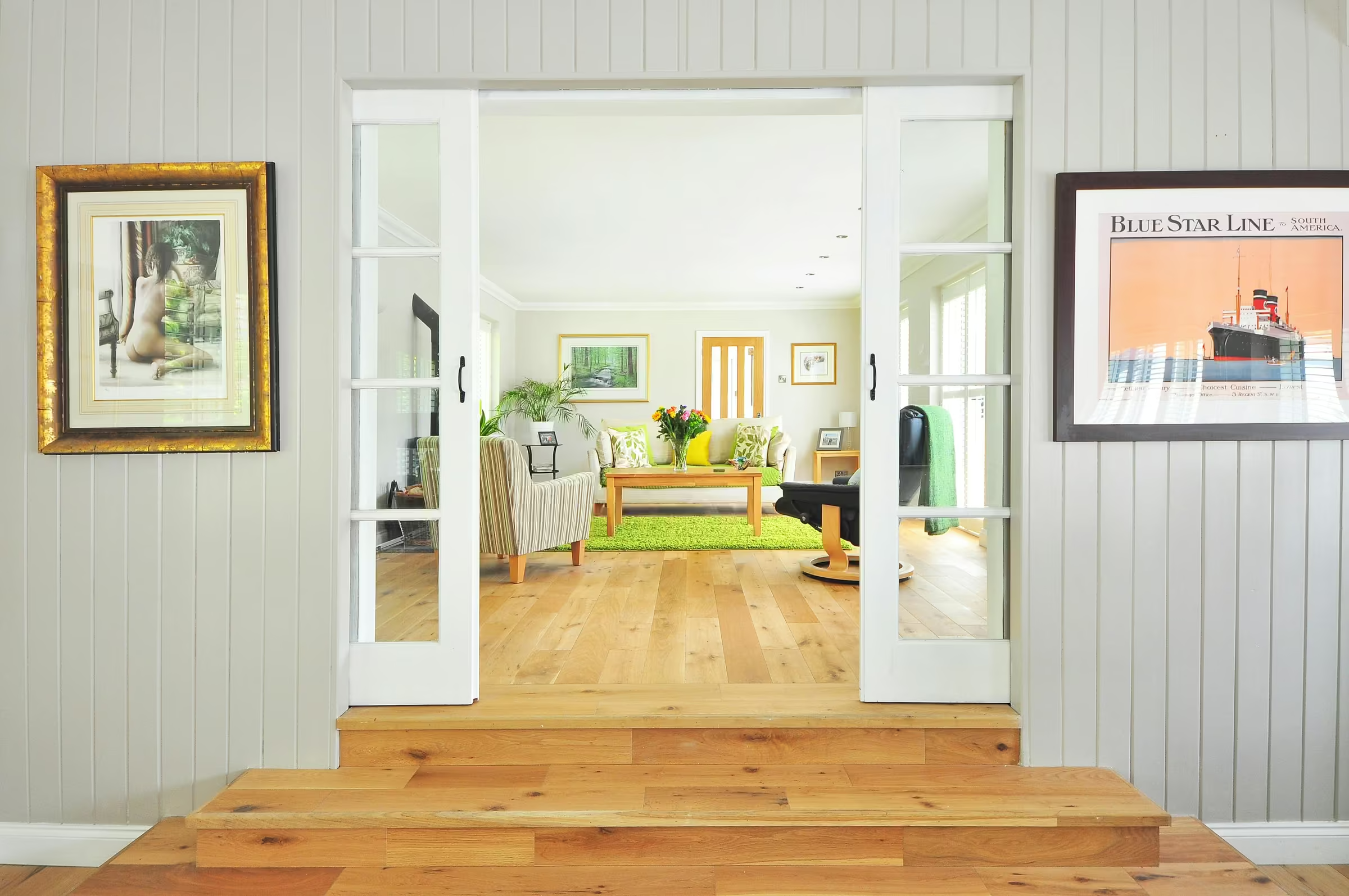
In Tampa Bay, humidity is not a footnote—it shapes which floors last. If you are torn between hardwood and luxury vinyl plank (LVP), use this guide to match material to rooms, lifestyle, and budget.
Humidity & moisture
LVP generally wins in moisture-prone spaces: kitchens, baths, laundry rooms, and ground-level areas with slab humidity. Quality LVP resists spills and everyday dampness. Solid hardwood moves more with humidity and is usually a poor fit on Florida concrete slabs. Engineered hardwood—the wood floor Nuve installs—is more stable, but it is still real wood and needs moisture testing. It is not waterproof.
Look & feel
Engineered hardwood offers authentic grain and warmth. Modern LVP has closed the visual gap with embossed textures and wide planks. If tactile authenticity matters most in living rooms, engineered hardwood often feels right. If you want wood-look everywhere including wet zones, LVP is usually smarter. Engineered hardwood’s refinishing potential depends on wear-layer thickness—thin veneer often cannot be sanded.
Cost & maintenance
LVP typically costs less installed and needs less ongoing maintenance. Engineered hardwood costs more upfront. It can last for decades, but unlike solid plank it is not refinished over and over—only thicker wear layers may be refinished once or twice. See our Tampa Bay cost guide for ranges.
Our recommendation
Many Tampa Bay homes mix both: engineered hardwood or premium LVP in living areas, and waterproof LVP or tile in wet rooms. Compare samples in your light with our shop-from-home visit, then explore engineered hardwood and LVP & laminate installation.
Serving Tampa, Clearwater, New Port Richey, and across the bay.