Expertise
Premier Engineered Hardwood Flooring
From Professional Wood Floor Installers in New Port Richey & Tampa Bay
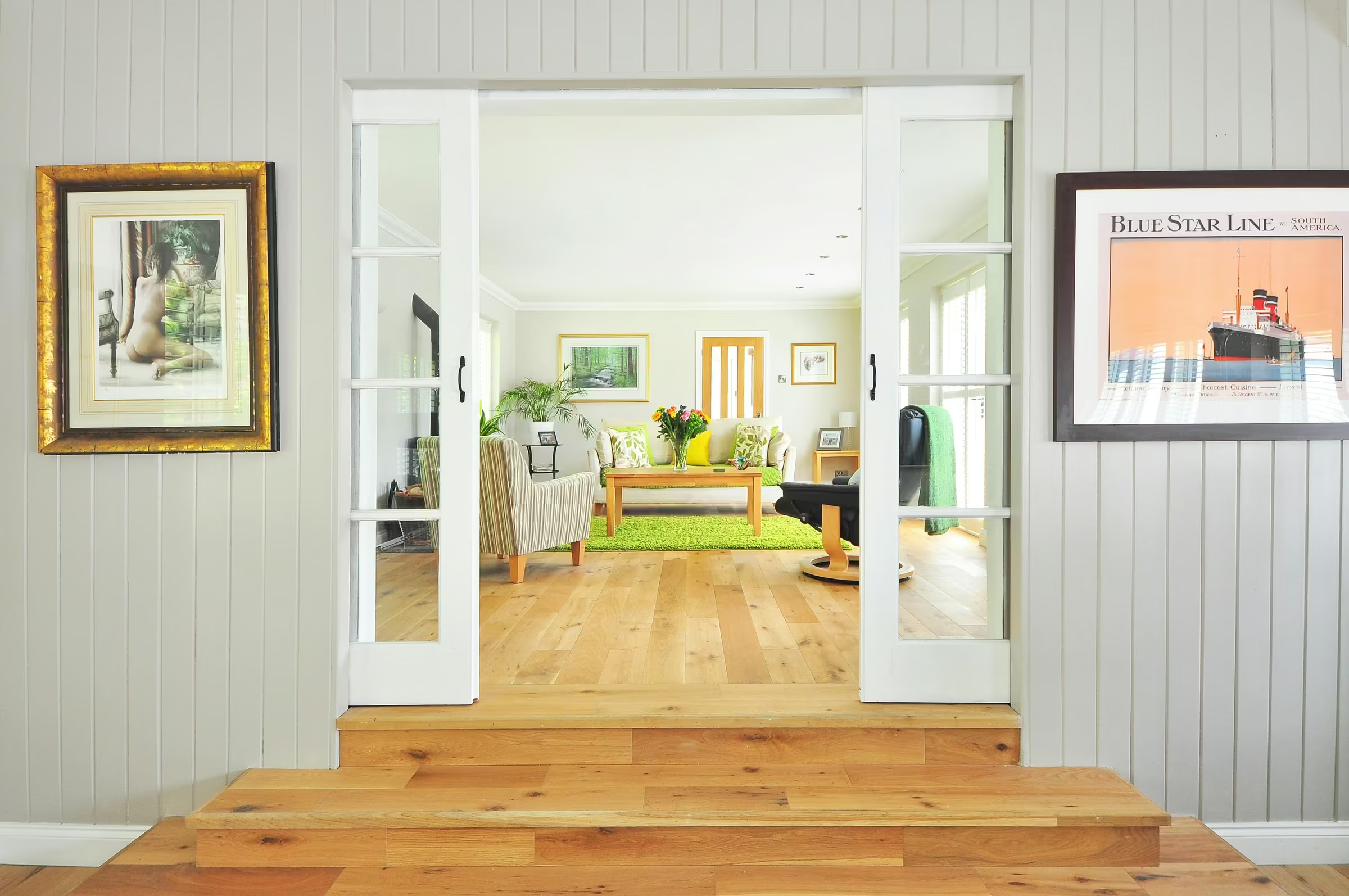
Engineered hardwood has a real hardwood wear layer bonded to a stable core. You get authentic wood grain and warmth, with better stability in Tampa Bay humidity than solid planks—especially over concrete slabs. The look people ask for right now is white oak, wider planks, and a matte or wire-brushed finish in warmer tones—not shiny gray.
It is still real wood, not waterproof. Baths, laundry rooms, and areas with standing water are better served by LVP or tile. For living rooms, bedrooms, dining rooms, and hallways, engineered hardwood is the wood floor we specify and install in New Port Richey & Tampa Bay.
Our team handles demolition, subfloor moisture testing and prep, and precision installation using the method your product requires. On Florida slabs that is typically glue-down or floating; nail or staple is used when there is a wood subfloor. From design consultation to final cleanup, we make the project as stress-free as possible.
Engineered Hardwood Installation Process
Engineered hardwood installation is a process best left to professionals. Florida slabs, humidity, and manufacturer methods all matter. At Nuve Floors, we follow a proven sequence: moisture testing, prep, correct install method, and a clean walkthrough.
Moisture Testing & Acclimation
Florida slabs often hold moisture that can ruin a wood floor if it is ignored. We test the subfloor and acclimate the planks in your home according to the manufacturer—not a generic timeline. This step is what keeps engineered hardwood from cupping, gapping, or failing after install.
Tear-Out & Subfloor Prep
We remove existing flooring and prepare the subfloor: cleaning, leveling, repairs, and a moisture barrier when required. A flat, dry, stable surface is the foundation of a long-lasting engineered hardwood install.
Installation
Planks are installed in the method the product is designed for. Most Tampa Bay homes sit on concrete, so glue-down or floating click-lock is typical. Nail or staple is used when there is a wood subfloor. We follow the manufacturer’s layout, expansion gaps, and fastening specs so the floor performs as specified.
Clean-Up & Walkthrough
We clean debris and dust, then walk the floor with you so you can see the finished result. We respect your home and take pride in leaving a pristine space ready for use.
Maintenance
How to Care for Engineered Hardwood Floors
Professional Floor Care Tips in New Port Richey & Tampa Bay
Regular Cleaning
Sweep or vacuum regularly and damp-mop with a cleaner made for wood floors. Avoid wet mopping and standing water—engineered hardwood is real wood and can be damaged by excess moisture.
Protect High-Traffic Areas
Use rugs and mats in entryways and hallways to minimize wear. Place felt pads under furniture legs to prevent scratches and dents when moving chairs or tables.
Control Indoor Humidity
Wood still responds to humidity. Keep indoor conditions reasonably consistent (typically about 35–55%) to reduce cupping, gapping, or warping. Use a humidifier or dehumidifier as needed, especially in peak Florida seasons.
Refinishing Depends on Wear Layer
Unlike solid hardwood, engineered floors cannot be sanded indefinitely. Thin-veneer products often cannot be sanded at all. Thicker wear layers (about 3mm or more) may be refinished once or twice. We inspect existing floors before recommending refinishing versus replacement—see our floor refinishing service.
Explore More
Additional Services
Design
Beautiful Variety of Patterns
Engineered hardwood is versatile. Real grain, rich colors, and varied plank sizes create many design options. Homeowners can stay with a classic straight lay or choose intentional patterns where the product allows.
Diagonal
Diagonal engineered hardwood is installed at a 45-degree angle to the walls, creating a dynamic visual effect that can make rooms feel larger and more open. This layout adds visual interest by drawing the eye along the boards.
Picture Frame
The picture frame pattern creates a framed border around a room using contrasting wood colors, grain directions, or plank widths. This style draws attention to the perimeter and can highlight dining rooms or foyers when the product and layout allow.
Herringbone & Parquet
Some collections come pre-cut for herringbone. It is the layout people want in entries and dining rooms when they want more than a straight plank. It takes more labor than a standard lay, so it costs more. Not every product can do it—we confirm before you buy.
Random Widths
Random-width flooring uses planks of varying widths for an organic look. This style brings a natural, handcrafted feel without strict uniformity—ideal if you want the character of real wood rather than a uniform print.
Character
Beauty in Imperfection
Unique Character Crafted by Nature
The natural variations in real wood offer a timeless look. Knots, grain patterns, color differences, and small imperfections add warmth, character, and authenticity to engineered hardwood.
The interplay of light and dark tones and textures brings depth and personality to your home. Embracing these natural traits is embracing the genuine beauty of real wood—not a printed photograph of wood.
Engineered hardwood is available in a wide range of species and finishes. White oak in a matte or brushed finish is what most homeowners want right now; warmer honey and natural tones beat cool gray. Here are the species we install most:
- White Oak: The look people ask for. Clean grain, warm neutrals, and it takes modern matte stains well. Wider planks (about 7–9 inches) show more of that grain and make rooms feel less busy. White oak is more stable with moisture than red oak and is the default engineered choice for Tampa Bay living rooms and bedrooms.
- Red Oak: The traditional American oak. Durable with prominent grain, but the pink undertone fights the warm, natural palettes most people want now. Still a solid floor—just less of a trend match than white oak.
- Maple: Known for its subtle grain and light color, maple is hard and impact-resistant. It offers a smooth, modern look ideal for contemporary spaces.
- Hickory: Among the hardest commonly used domestic flooring species, hickory features bold grain patterns and strong color contrasts, giving floors a rustic and distinctive character. It's a strong choice for high-traffic areas.
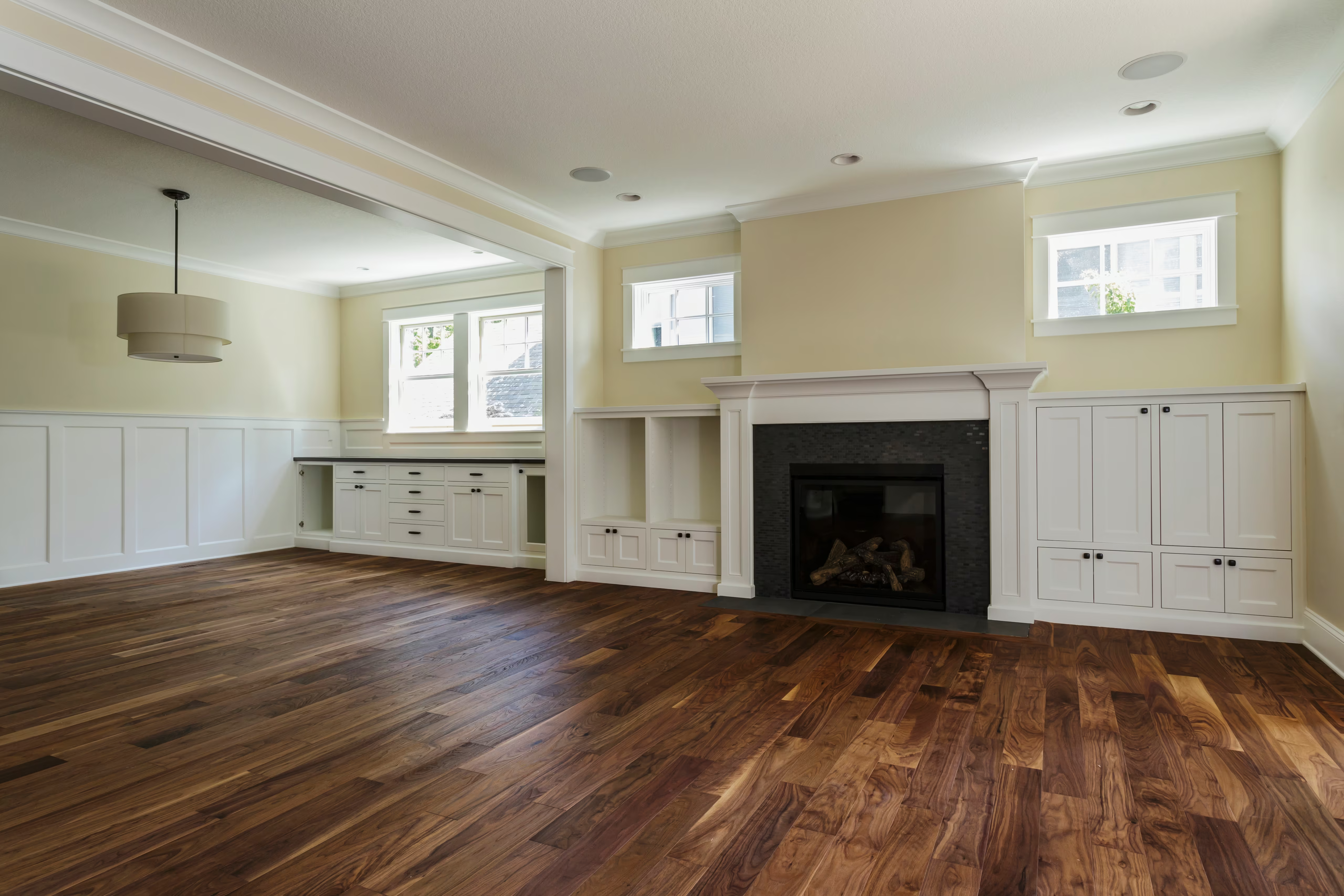
- Walnut: Recognized for its rich, dark brown color and fine grain, walnut adds warmth and elegance. It's softer than the others but prized for its unique beauty and color variation.
Pricing
How Much Does Engineered Hardwood Installation Cost?
Considerations For Your Floor and Wallet
Installed engineered hardwood in the Tampa Bay market typically ranges from $8 to $16 per square foot, including materials and labor. Wear-layer grade, species, plank width, install method, and subfloor prep all move the number.
Specialty patterns, extensive demolition, leveling, or moisture mitigation can increase cost. Online ranges are starting points—not quotes.
Every project is unique. For an accurate number on your home, request a free estimate. We measure, test the subfloor, and provide a written quote for your specific product and prep.
- Wear Layer & Species: Thicker wear layers and premium species cost more because they are more durable and, in some cases, refinishable. Common oak and maple collections are typically more affordable than exotic species.
- Install Method: Glue-down and floating installs are the usual methods over concrete slabs. Nail or staple needs a wood subfloor. Labor and materials differ by method. The correct method is the one the manufacturer specifies for your product and subfloor—not whichever is cheapest.
- Subfloor Condition & Moisture: A well-prepared, sufficiently dry subfloor is essential. Uneven slabs, damaged underlayment, or high moisture readings require extra leveling, repairs, or a moisture barrier before planks can go down.
- Room Size & Layout: Larger rooms use more material and labor. Wide planks are the usual request. Herringbone and other patterns take more time and cost more than a straight lay.
Know Your Options
Why Engineered Hardwood for Florida
Solid vs Engineered—What Actually Works Here
Solid and engineered hardwood both have a real wood surface. The construction is different, and that difference matters in Tampa Bay humidity and on concrete slabs. Nuve Floors specifies and installs engineered hardwood.
Solid Hardwood
Solid hardwood is a single piece of wood. It can often be sanded and refinished several times, but it expands and contracts more with humidity. It is typically installed over a wood subfloor—not the concrete slabs common in Florida homes. For most Tampa Bay projects, solid is not the practical choice.
Engineered Hardwood
Engineered hardwood is a real wood wear layer over a plywood or similar core, so it is more stable in humidity and better suited to concrete. Quality products with a thicker wear layer (about 3mm or more) may be refinished once or twice; thin veneers generally cannot be sanded. This is the wood floor we install.
Nuve Floors installs engineered hardwood in New Port Richey & Tampa Bay because it offers real wood beauty with the stability Florida homes need. We help you choose the right wear layer, species, and install method for your subfloor.
Flexible Options
Financing Available
Prefer to pay over time rather than all at once? Submit an estimate or call us for more details on financing your engineered hardwood installation project!
Benefits
Benefits of Engineered Hardwood Floors
Engineered hardwood adds real wood beauty and long-term value—with construction that holds up better than solid planks in Florida conditions.
Real Wood, Strong Resale Appeal
A genuine hardwood surface is a sought-after feature. Buyers recognize real wood, and a well-installed engineered floor can support your home’s appeal without the humidity risk of solid plank on a Florida slab.
Clean & Sanitary
Engineered hardwood does not trap allergens in fibers the way carpet can. Dust still settles on the surface, so regular sweeping or vacuuming matters. Hard floors are generally easier to keep clean for allergy-conscious homes.
Built for Florida Stability
The layered core is more dimensionally stable than solid wood, so it handles humidity swings and concrete slabs better. Durability still depends on species, finish, wear-layer thickness, and traffic—not on unlimited sanding.
Low Maintenance
Routine sweeping and occasional damp-mopping with wood-floor cleaner keep floors looking their best. Protective pads and rugs help prevent premature wear. It is not a no-care floor—just simpler than carpet or unfinished site-sanded wood.
Common Questions
Engineered Hardwood Installation FAQs
Is engineered hardwood the best flooring material?
Engineered hardwood is an excellent choice when you want real wood in living rooms, bedrooms, dining rooms, and hallways. It is more stable than solid hardwood in Florida humidity. It is not the best choice for every room: bathrooms, laundry rooms, and other wet areas are better with LVP or tile. The right floor depends on moisture, traffic, budget, and the look you want. We help you decide during the in-home visit.
In what rooms does engineered hardwood work best?
Living rooms, bedrooms, dining rooms, and hallways are the usual fit. Kitchens can work with extra care and a product rated for the space, but standing water is still a risk. Engineered hardwood is not waterproof. Use LVP or tile in bathrooms, laundry rooms, and other wet zones.
What type of wood is best for floors?
Species is about hardness and look. White oak is what most people want now—clean grain, warm neutrals, wide matte planks. Red oak is durable but warmer/pink. Maple is hard with subtle grain. Hickory is among the hardest domestic woods, good for high traffic. Walnut is richer and darker, and a bit softer. Typical Janka values: Hickory (1820), Hard Maple (1450), White Oak (1360), Red Oak (1290), Black Walnut (1010), Black Cherry (950). Wear-layer thickness matters as much as species for how the floor ages.
Where should you not put engineered hardwood?
Do not install it in bathrooms, laundry rooms, or other rooms with regular standing water or steam. Engineered hardwood is more stable than solid wood and is often suitable over properly tested concrete slabs, but it is still real wood. High slab moisture without mitigation can cause failure. We test first and recommend LVP or tile where water exposure is the bigger risk.
How long do engineered hardwood floors last?
With proper installation and care, quality engineered hardwood typically lasts for decades. Lifespan depends on wear-layer thickness, species, finish, traffic, and moisture—not on sanding the floor many times. Thin-veneer products generally cannot be refinished. Thicker wear layers may allow refinishing once or twice. Regular cleaning and furniture pads help the floor last.
How much does engineered hardwood installation cost?
In the Tampa Bay market, installed engineered hardwood typically ranges from $8 to $16 per square foot for materials and labor. Wear-layer grade, species, install method, subfloor prep, and layout complexity all affect price. Specialty patterns or moisture mitigation can push a project higher. Request a free Nuve estimate for an exact quote on your home.
Can engineered hardwood be refinished?
Sometimes. It depends on the wear layer. Thin veneer often cannot be sanded. Products with a thicker wear layer (about 3mm or more) may be refinished once or twice. We inspect existing floors honestly and will recommend refinishing or replacement. New engineered installs are a different service from refinishing an existing floor.
Schedule Your Engineered Hardwood Installation Today
Engineered hardwood is a beautiful, long-term investment that brings real wood into Florida homes the right way. Nuve Floors handles moisture testing, prep, and manufacturer-correct installation for new and existing homes in New Port Richey & Tampa Bay. From design consultation to final cleanup, we make the process as clear and stress-free as possible. Contact us today to schedule your free estimate.