Expertise
Premier Stair Flooring
Matching Treads and Safer Stairs in New Port Richey & Tampa Bay
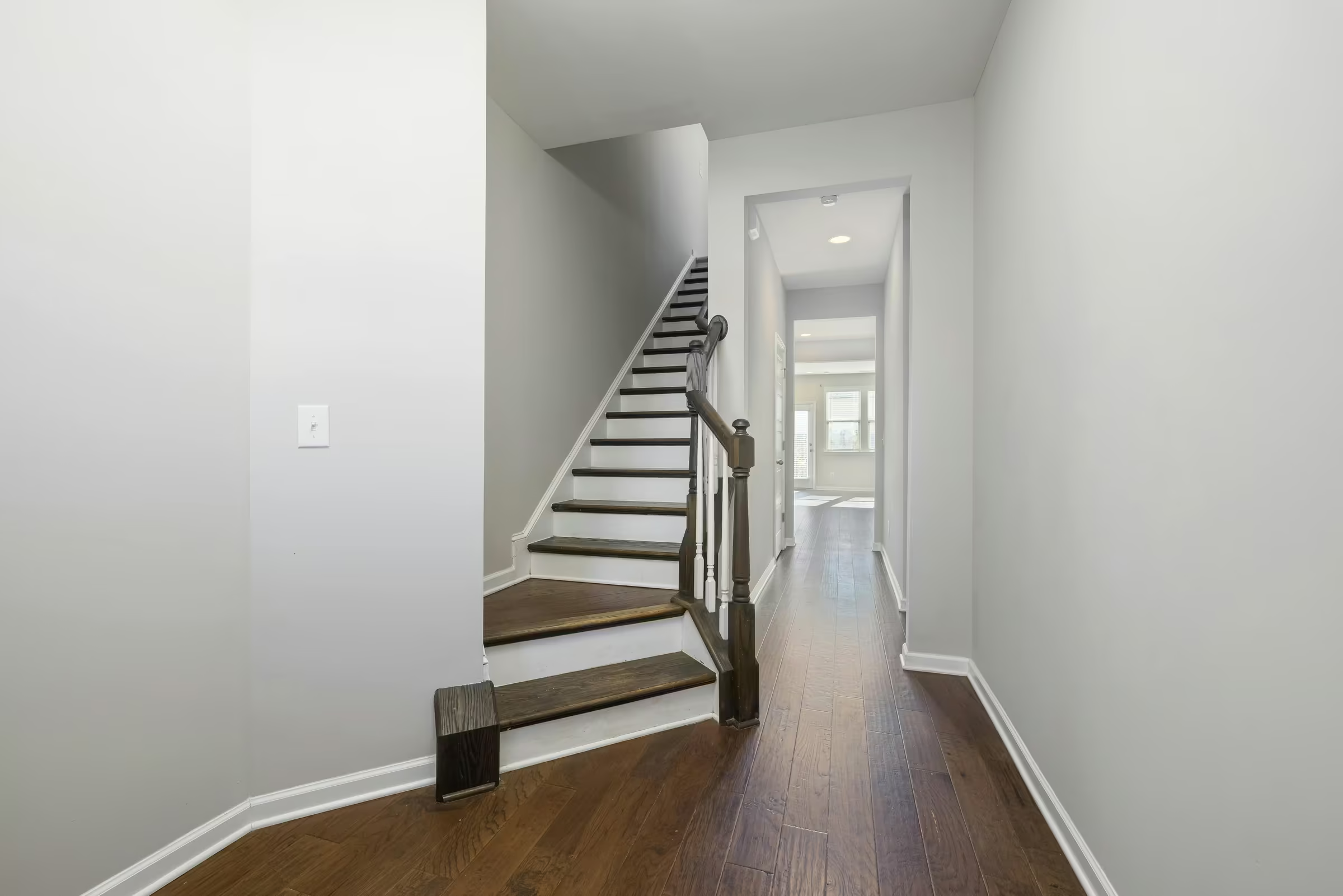
Stairs should look like the same floor as the hallway, not a close-enough leftover. We match treads, risers, and nosing to your LVP or engineered hardwood collection, glue the treads down, and finish the top landing with a stair nose—not a floating plank hanging over the edge.
Nuve Floors remodels and installs stair flooring in New Port Richey & Tampa Bay. We measure every step (they are rarely identical), use the same color batch as the floor when we can, and keep nosing and riser heights in a safe, code-aware range. From the in-home estimate to walkthrough, you get a staircase that is safer and actually matches.
What Does a Staircase Installation Involve?
Installing new flooring for stairs may seem like an overwhelming project, but with Nuve Floors, it's easy. Every staircase installation and remodel is different because each homeowner's needs are unique. If you're unsure where to start but know you want upgrades, we're here to discuss your vision and answer any questions during our free, at-home walk-through and estimate.
Measure and Match
We assess the staircase, count steps, and check the top landing. Treads are measured one by one. We help you order matching treads and nosing from the same collection and batch as the floor whenever the manufacturer offers them. Close-enough from a different line usually looks wrong in your lighting.
Prep the Existing Stairs
We protect the home, remove worn coverings, and repair loose or damaged structure before new treads go on. Overlay caps can cover existing treads. A flush, built-in look needs the tread surface prepped so the nose sits level with the plank—not proud of it.
Glue the Treads Down
Stair treads are full-spread glued. They are never installed as a floating click-lock floor. Click-lock on stairs shifts, squeaks, and fails. Stiffer rigid-core LVP holds a nose better than softer, thicker vinyl that can crush at the front edge. The top landing gets a stair nose, not a full tread cap.
Walkthrough
We clean up, then walk the stairs with you. You should see a matched color, a solid tread, and a nosing that does not feel like a trip lip.
Explore More
Additional Services
Materials
Best Materials For Staircases
Each material offers distinct benefits for your stairs. We help you choose the right fit.
Engineered Hardwood
Real wood treads that match a white oak or similar engineered floor in the hallway. Timeless, durable, and the look people want on a main staircase. Thin wear layers cannot be sanded; thicker ones may refinish once or twice. We glue or fasten treads the way the product requires.
LVP with Matching Treads
Waterproof vinyl plank stairs only look right when treads and nosing come from the same collection as the floor. We glue them down. Stiffer rigid-core LVP is the better stair product; softer, thicker vinyl can crush at the nose. Flush nosing is the cleaner built-in look. Overlay caps (like a tread cover with a built-in nose) are the retrofit over existing steps.
Laminate Overlays
A budget wood look using coordinating overlay treads and risers. Good when you are matching a laminate floor in dry areas. Same rule as LVP: glue, don’t float, and use the matching stair kit when the brand makes one.
Carpet
Softer underfoot, quieter, and more slip-resistant for kids or older adults. A common choice when the rest of the house is hard surface but you want a quieter stair. We can recarpet stairs or coordinate with a hard-surface landing.
Signs to Watch
How To Know When It's Time For New Stairs
Professional Staircase Remodeling
Most homeowners need a stair remodel, not a brand-new staircase. Matching the treads to new floors downstairs is the usual reason. Worn carpet, chipped treads, and a hallway in a new LVP that the stairs do not match are the other common ones.
Stairs take more traffic than any room. These are signs it is time:
- Cracks in Treads and/or Risers: Visible cracks usually come from wear and humidity. They are a safety issue and should be fixed, not ignored.
- Loose or Detached Handrails/Posts: A loose rail is a fall waiting to happen. Tighten or replace before you finish the treads so the whole run is solid.
- Creaky Steps: Creaks are common in older homes. They often mean movement in the tread or stringer. We can quiet them when we open the stair for new flooring.
- Water Damage: Warping or rot from leaks is structural. That can mean replacement, not just a pretty cap. We will tell you if the stair is sound enough to overlay.
Components
Complete or Partial Staircase Remodel
You can update treads only, or the whole run—rails, posts, and balusters. Matching the walking surface to the floor is the change people notice first. Keeping the stair safe is the part that is not optional.
Handrails
Handrails are for catching yourself. Loose or outdated rails can be tightened or replaced to match the new treads and the rest of the house.
Newel Posts
Newel posts anchor the rail. If they rock, the rail is not safe no matter how nice the treads look.
Balusters
The vertical spindles set the style—wood, iron, or a mix. Replacing them with new treads keeps the staircase from looking half-finished.
Treads, Risers, and Nosing
Treads are the steps you stand on. Risers are the vertical faces. Nosing is the front edge. Overlay caps cover existing treads. A flush nose sits level with the plank for a built-in look. The top landing uses a stair nose, not a full tread cap. Replacing treads and risers is the change that transforms the staircase.
Flexible Options
Financing Available
Prefer to pay over time rather than all at once? Submit an estimate or call us for more details on financing your stair flooring project!
Common Questions
Stair Flooring FAQs
How much does it cost to get stairs installed?
Cost depends on material, how many steps, whether we overlay or rebuild, and rails or balusters. Matching LVP or wood treads is a different number than recarpeting. Online averages are not a bid. Contact Nuve Floors in New Port Richey & Tampa Bay for a free estimate after we count and measure your stairs.
Can the stairs match my new LVP or hardwood?
Yes—and they should. The closest match is a tread and nosing made for that same collection and batch, ordered with the floor. Color, grain, sheen, and texture all have to agree. A “similar” stair kit from another line usually looks off next to the hallway. We order matching pieces whenever the manufacturer makes them, and we glue the treads so they stay put.
What is the difference between overlay treads and a flush, built-in look?
Overlay caps (often sold as a tread cover with a built-in nose) go over existing steps. They are the usual retrofit when you are covering carpeted or worn treads. A flush nose sits level with the glued plank—no raised lip—and looks more like a wood stair. Flush needs more precise prep. Overlap noses hide small height differences and are common on retrofits. Properly installed, neither should feel like a trip hazard; we pick the profile that fits your stair and product.
Why can’t you click-lock LVP on stairs like the living room?
A floating floor is meant to move. Stairs take impact on the nose thousands of times. Click-lock treads shift, squeak, and come apart. Stair treads get full-spread glue. The field floor in the hallway can still float; it meets the top step with a stair nose and the expansion gap the manufacturer requires.
What material is best for staircases?
Match whatever is on the floor above or below when you can. Engineered hardwood for a real-wood house. LVP with matching glued treads for a waterproof vinyl house—use a stiffer rigid-core plank, not a soft thick vinyl that crushes at the nose. Laminate overlays for a laminate floor in dry areas. Carpet when you want quiet and grip. Tile on stairs is usually a bad idea (slippery when wet, chips on impact).
Are new stair treads safe / up to code?
We keep riser height and tread depth consistent, and nosing projection in a normal, code-aware range so the front edge is not a hook for a shoe. Florida home stairs typically need risers that are not too tall and treads deep enough to plant a foot; we do not turn a safe stair into a steep or shallow one just to hide old carpet. If a rail is required, it has to actually hold you. We flag anything unsafe on the estimate.
Can I DIY a staircase remodel?
Cosmetic patches are one thing. Full treads, nosing, and rails are not a weekend click-lock job. Bad cuts, floating treads, and a nosing that sticks out too far are how stairs get dangerous. Hire the install if the staircase is a main path in the house.
Can I use tile on stairs?
Usually no. Tile is slippery when wet, chips under heel impact, and feels hard on every step. Engineered hardwood, matching LVP, laminate overlays, or carpet are the safer, more comfortable choices. We do not recommend tile as stair flooring.
Schedule Your Staircase Remodel Today
Matching stairs to new floors is one of the highest-impact updates in the house—if the treads are glued, measured, and actually the same color. Nuve Floors installs engineered hardwood, LVP, laminate overlays, and carpeted stairs in New Port Richey & Tampa Bay. Contact us for a free estimate.